Scar Revision
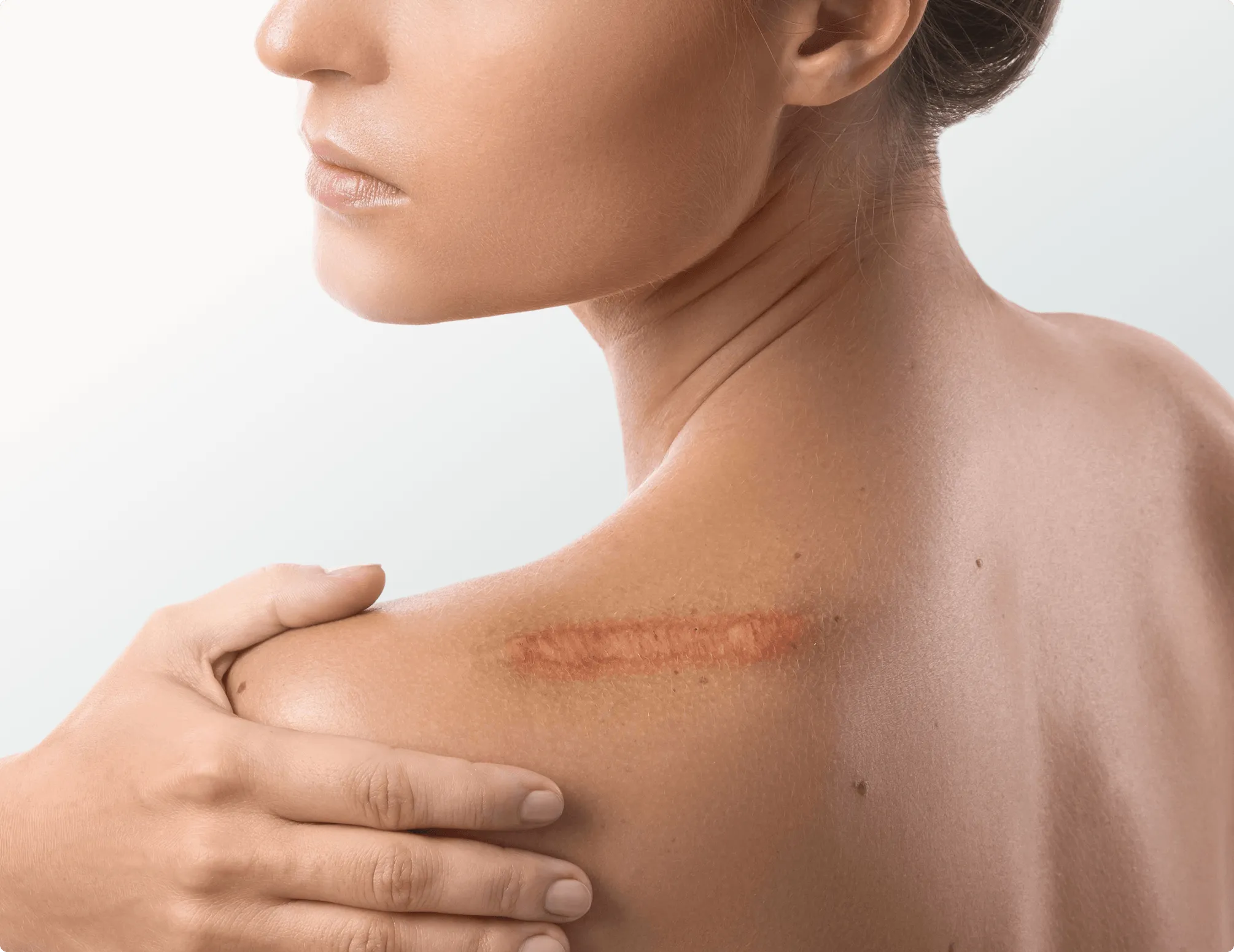
At New Wave Dermatology and Laser, Dr. Hedayati offers advanced scar revision techniques to soften, smooth, and restore your skin’s natural look and feel. Whether a scar is the result of surgery, injury, or acne, our goal is to minimize its appearance and help it blend seamlessly with the surrounding skin.
Understanding Scars
Scars are a natural part of the skin’s healing process. When the skin is damaged, the body produces collagen fibers to repair the wound. However, the final appearance of a scar depends on factors like the depth of the injury, its location on the body, your age, and your genetic predisposition. Common types of scars include:

Flat Scars
These often start red or dark and gradually fade and flatten over time.

Hypertrophic Scars
Raised, thick scars that remain within the boundaries of the original wound.

Keloid Scars
Severe raised scars that grow beyond the edges of the original injury; these can sometimes be itchy or painful.

Contracture Scars
Often resulting from burns, these scars cause the skin to tighten and can sometimes restrict movement.
Advanced Techniques for Scar Revision
Laser Therapy (UltraClear®)
Laser therapy is the cornerstone of modern scar treatment. Dr. Hedayati utilizes highly personalized combination laser treatment protocols tailored to the color, texture, and overall characteristics of each individual scar. Having trained under world-renowned laser expert Suzanne Kilmer, Dr. Hedayati is experienced in treating a wide range of scars using advanced laser technologies and customized treatment approaches.
Surgical Scar Revision
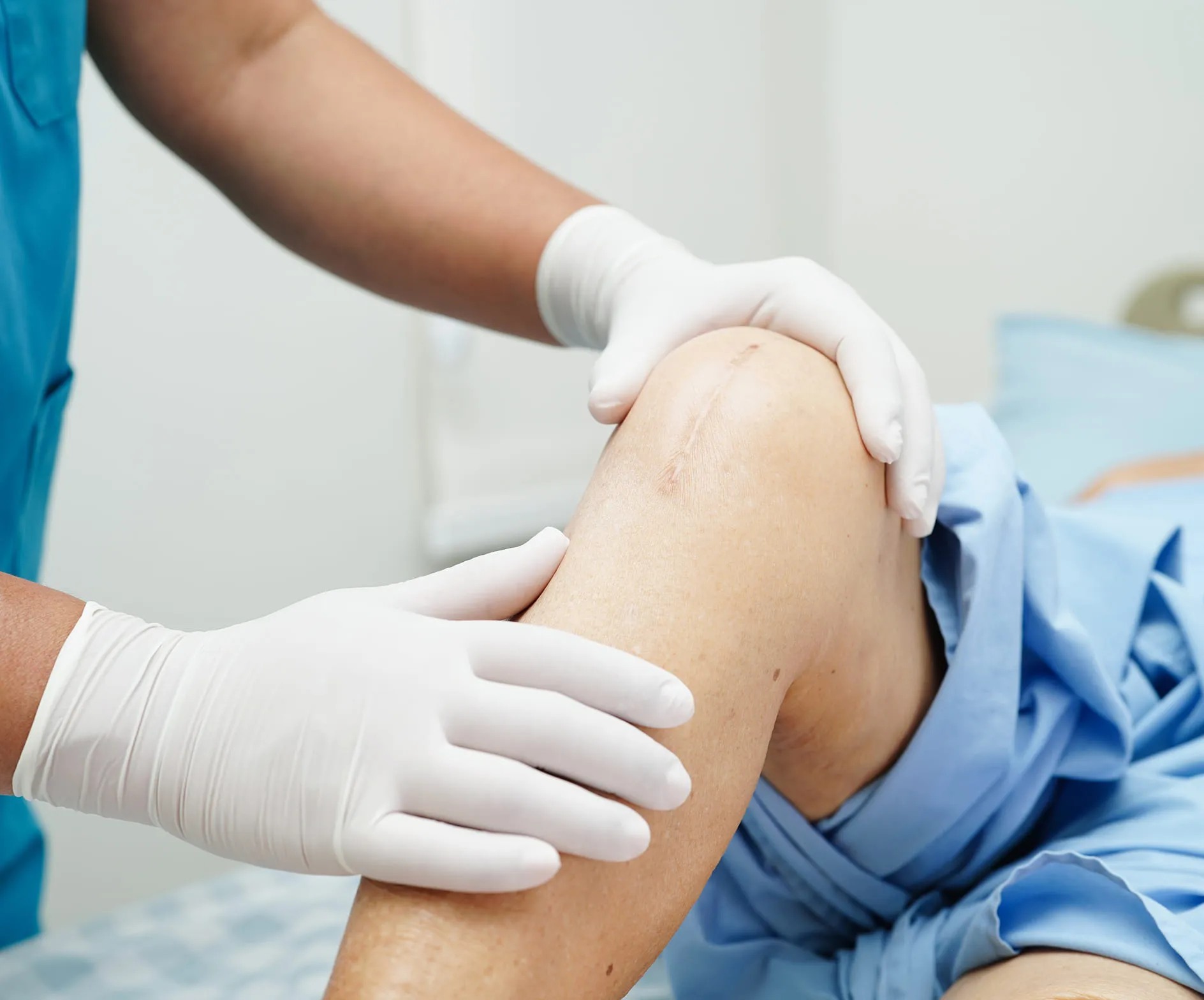
In cases where a scar is wide, long, or poorly positioned, Dr. Hedayati may perform a surgical revision. Techniques like Z-plasty or serial excision are used to reposition the scar along natural skin tension lines, making it significantly less noticeable.
Steroid & Injectable Therapies
For raised hypertrophic or keloid scars, specialized injections can help flatten the scar tissue and reduce associated redness, itching, or discomfort.
Dermabrasion & Subcision
These techniques are frequently used to refine skin texture. Subcision is particularly effective for "tethered" atrophic scars (common in acne), where the underlying scar tissue is released to allow the skin surface to rise and smooth out.
Frequently Asked Questions
Got any more questions?
Get in touch with usWhile no treatment can completely erase a scar and return the skin to its original pre-injury state, scar revision can significantly improve the texture, color, and size. The goal is to make the scar as inconspicuous as possible.
Recovery depends on the method used. Laser treatments typically involve a few days of redness, while surgical revisions may require 1 to 2 weeks for the initial healing of sutures. Dr. Hedayati will provide a customized recovery plan based on your treatment.
It is often best to treat a scar once it has matured (usually after 6 to 12 months), but some treatments, like vascular lasers or early steroid injections, can be beneficial during the active healing phase. A consultation is the best way to determine the ideal timing for your specific case.
Choosing the right provider is critical for scar treatment. As a fellowship-trained surgeon, Dr. Hedayati combines medical expertise with an artistic attention to detail. He understands the complex mechanics of skin tension and healing, ensuring that your revision results in the most natural appearance possible.
Got any more questions?
Get in touch with us